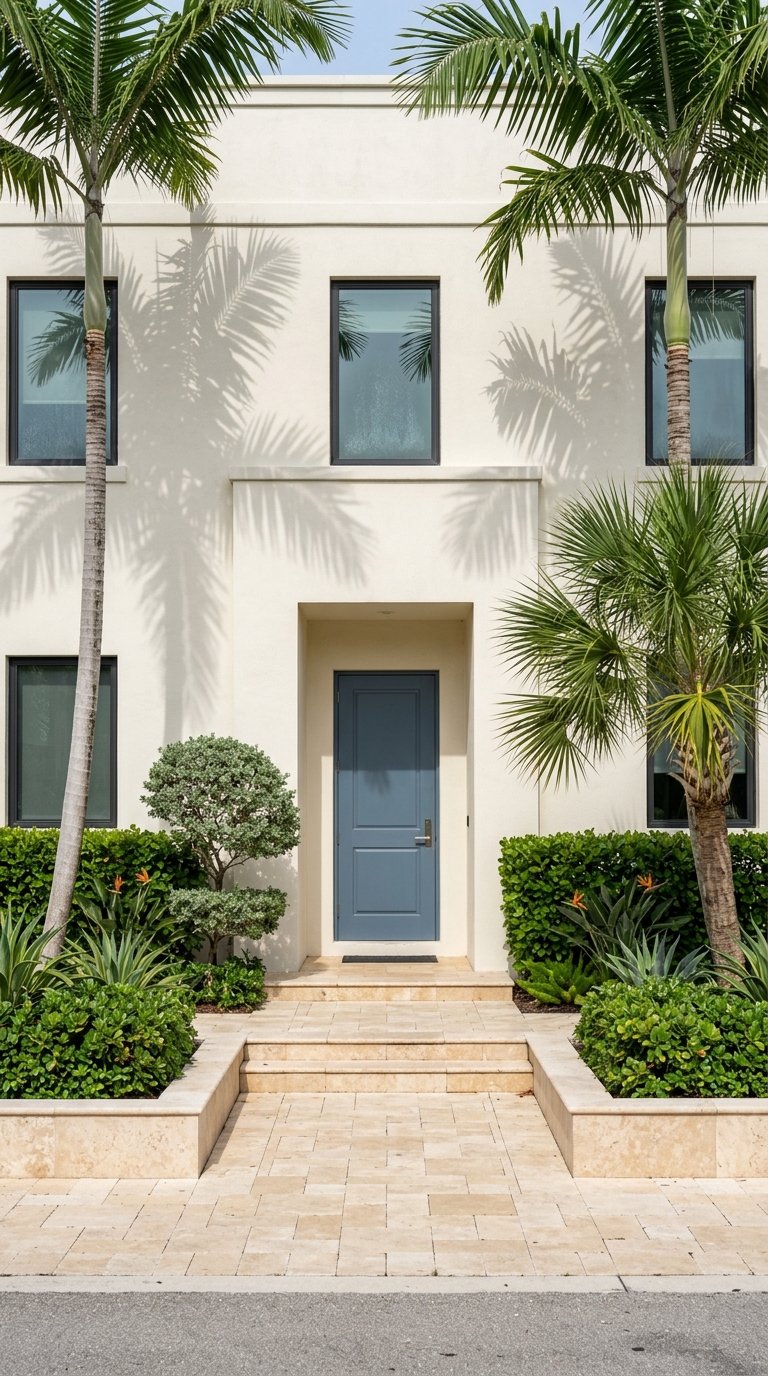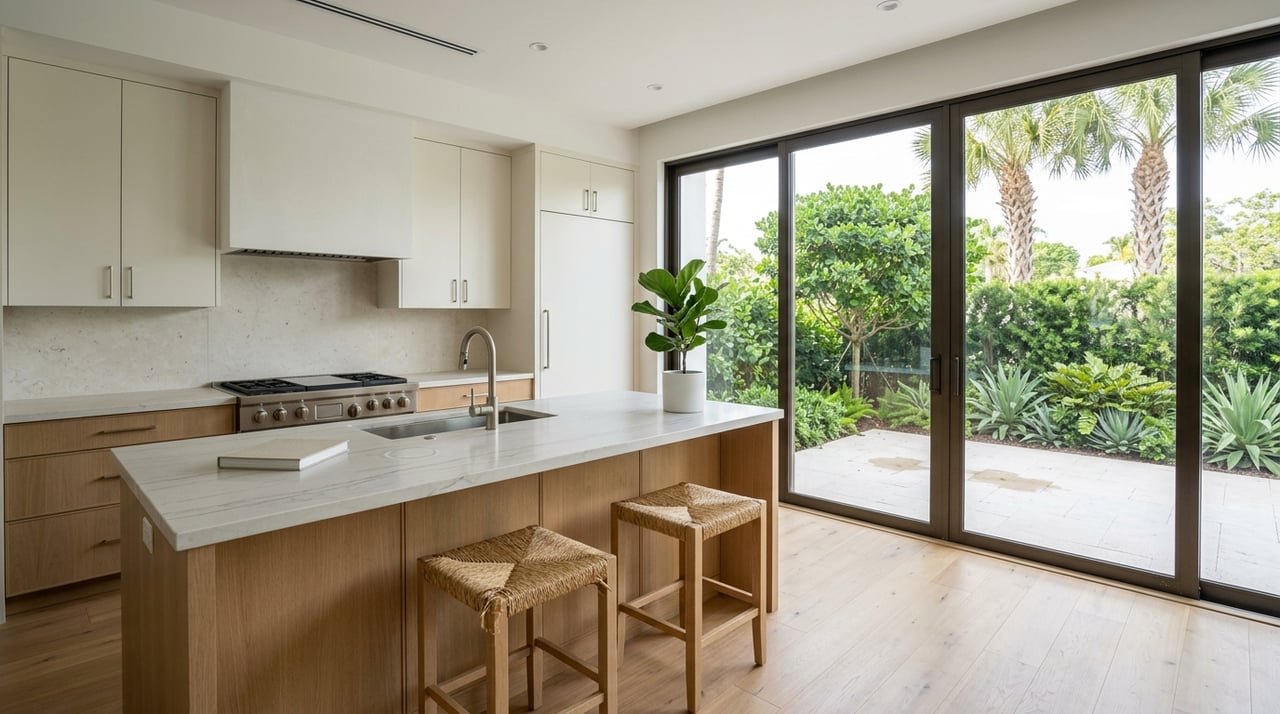
Are you thinking about trading your Boca Raton house for a simpler condo lifestyle? You are not alone. For many homeowners, this move is about more than downsizing square footage. It is about keeping the South Florida lifestyle you love while letting go of the upkeep that comes with a single-family home. If you are weighing the timing, costs, and logistics, this guide will help you plan your next move with more clarity. Let’s dive in.
Why Boca Raton Makes Condo Living Appealing
Boca Raton offers a lifestyle that fits condo living especially well. The city highlights oceanfront beaches and parks, Intracoastal and canal access, and outdoor activities like kayaking, fishing, paddleboarding, and boating. It also points to walkable destinations like Mizner Park, the Intracoastal setting of Wildflower Park, and Spanish River Park beach, which has Blue Flag status for the 2026-2027 season.
For many sellers, that means you may be able to keep the best parts of coastal living while reducing day-to-day property responsibilities. A condo can shift exterior maintenance and shared-area upkeep to the association, which can be appealing if you want a more lock-and-leave lifestyle.
That said, lower maintenance does not always mean lower overall cost. Condo ownership often includes association dues, insurance for your unit, and the possibility of special assessments. The goal is not just to simplify your home. It is to simplify your life in a way that still works financially.
Understand the Boca-to-Condo Market Gap
Before you make the move, it helps to understand the current pricing and timing. Through May 2026, Boca Raton homes sold for a median price of $831,000 and took about 77 days to sell. In Palm Beach County’s February 2026 condo and townhome report, the median sale price was $315,000, the median time to sale was 105 days, and 64.5% of year-to-date closed sales were cash.
This tells you a few important things. First, selling a Boca Raton house may unlock substantial equity for your next purchase. Second, condos can move on a different timeline, and strong cash activity may influence how competitive some purchases feel.
If you are moving from a long-held home into a condo, that equity position can give you flexibility. But flexibility only helps if you build a plan around timing, budget, and the kind of condo community you want.
Decide Whether to Sell First or Buy First
One of the biggest questions is whether to sell your current home before buying your condo. The answer depends on your comfort level, available equity, and financing options. There is no single right choice for every household.
A practical first step is to get pre-approved before you begin shopping seriously. Pre-approval helps define your budget and can strengthen your position when you are ready to make an offer. It also gives you a clearer picture of what price range feels comfortable once you factor in dues, insurance, and closing costs.
When Selling First Makes Sense
Selling first can reduce financial pressure. You will know how much equity you have available, and you may avoid carrying two properties at the same time. This approach can also make your condo offer cleaner if you do not need to include a home-sale contingency.
That may matter in a market where many condo purchases are closing in cash. If you want to compete effectively, having your sale completed first can put you in a more confident position.
When Buying First May Work
Buying first can make sense if you need continuity and want to avoid moving twice. Some homeowners prefer to secure the condo before they list their house, especially if they have a very specific building or location in mind.
In some cases, a bridge loan can help unlock equity from your current home so you can purchase before the sale closes. These loans are often short-term and can be useful, but they can also carry higher costs and more risk if your existing home does not sell as quickly as expected.
Use a Rent-Back if Needed
If your house sells before you are ready to move into the condo, a written rent-back or post-settlement occupancy agreement may help bridge the gap. This can give you a short window to stay in the home after closing while your next property is finalized.
That extra time can make a major difference when you are coordinating movers, repairs, or condo association approval timelines. The key is making sure the terms are clearly documented before closing.
Prepare Your Boca Home to Sell Well
Even in a desirable area, your home still needs to stand out. Boca Raton’s current market is not especially competitive, with homes averaging about two offers and taking roughly 77 days to sell. That means presentation, condition, and pricing can all influence your result.
A strong preparation plan usually starts with the basics:
- Deep clean the home
- Declutter each room
- Depersonalize spaces
- Repair visible defects
- Stage rooms so buyers can picture how they would live there
- Improve curb appeal
A pre-sale inspection is not required, but it can be useful. It may reveal issues early, giving you the chance to address them before showings begin or before a buyer uses them in negotiations.
It can also help to gather warranties and replacement estimates for major systems, such as the roof or other big-ticket items. When buyers feel informed, they may have more confidence in the property and in the transaction as a whole.
Evaluate Condo Costs Carefully
A condo may reduce exterior upkeep, but you still need a full picture of the monthly and long-term cost. Association dues are separate from your mortgage payment. Depending on the building, they may support shared maintenance, amenities, and reserve funding.
Fees can vary based on location, age, condition, property value, and amenities. In some communities, a portion of those dues is meant to build reserves for future repairs. In others, major one-time expenses may lead to special assessments.
Look Beyond the Monthly Dues
When comparing condo options, try to look at the total carrying cost instead of focusing on dues alone. Your budget may include:
- Mortgage payment, if financing
- Association dues
- HO-6 condo unit insurance
- Possible flood-related costs, if applicable to the building or unit
- Potential special assessments
This broader view gives you a more realistic sense of affordability. A condo with lower dues is not always the better value if reserve funding is limited or major building work is expected.
Review Florida Condo Records and Inspections
In Florida, condo due diligence now requires close attention to building records. The Florida Department of Business and Professional Regulation says residential condo and co-op buildings that are three or more habitable stories require milestone inspections and a Structural Integrity Reserve Study, often called a SIRS.
For associations that existed on or before July 1, 2022, the SIRS deadline was December 31, 2025. If a milestone inspection is due on or before December 31, 2026, the SIRS may be completed at the same time, but not later than December 31, 2026.
For you as a buyer, the important point is practical. Structural inspection reports and reserve studies are part of the association’s official records and must be provided to prospective purchasers. These documents can help you understand the building’s condition, reserve planning, and possible future costs.
Condo Documents to Request
As you evaluate a condo community, pay close attention to records such as:
- Structural Integrity Reserve Study
- Milestone inspection reports
- Association rules and bylaws
- Reserve information
- Other official association records available to buyers
This review is especially important if you are choosing between buildings of different ages, amenity levels, or maintenance histories. A polished lobby does not tell you everything. The records matter.
Plan for Unit-Level Insurance
Many downsizers are surprised to learn that condo ownership still requires personal insurance. According to Florida’s Chief Financial Officer, condo unit owners generally need an HO-6 policy. This type of policy primarily covers personal property and liability and can also include loss assessment coverage.
It is also important to remember that standard homeowner’s insurance does not cover flood damage. Depending on the building and unit, you may need to account for flood-related costs as part of your planning.
Before you commit to a purchase, it is wise to request an insurance quote for the specific unit type you are considering. That way, your monthly budget reflects real numbers instead of rough guesses.
Do Not Overlook Florida Tax Portability
If you are moving from a long-owned Boca Raton homestead to a new Florida condo, property taxes deserve a close look. The Florida Department of Revenue says a homeowner may be able to transfer all or part of the Save Our Homes assessment difference to a new Florida homestead.
That said, the exemption itself is not transferable. You must apply for the new homestead through the county property appraiser.
For many homeowners, portability can be an important part of the downsizing math. It may affect how attractive one move feels compared with another, especially if you have owned your current home for many years.
Build a Calm, Coordinated Plan
Moving from a Boca Raton house into a condo is both a financial decision and a lifestyle choice. You are balancing timing, presentation, records review, monthly costs, insurance, and possibly tax strategy, all while making a major personal transition.
That is why a clear sequence matters. Start with financing and budget clarity, prepare your current home carefully, and review condo communities with a close eye on records and long-term costs. A thoughtful plan can help you protect equity, reduce stress, and move into your next chapter with confidence.
If you are considering a move from a Boca Raton home into a condo, Laura Gallagher and Terri Berman can help you navigate the timing, marketing, and local lifestyle details with steady, personalized guidance.
FAQs
Should you sell your Boca Raton home before buying a condo?
- It depends on your equity, financing, and timing preferences. Selling first can reduce financial pressure, while buying first may work if you use tools like pre-approval, a bridge loan, or a written rent-back arrangement.
What condo documents should you review before buying in Boca Raton or Palm Beach County?
- Focus on the Structural Integrity Reserve Study, milestone inspection reports, association rules and bylaws, reserve information, and other official association records available to prospective buyers.
Are monthly condo costs always lower than owning a Boca Raton house?
- Not always. A condo may reduce exterior maintenance, but your total monthly cost can still include association dues, unit insurance, possible flood-related costs, and potential special assessments.
Can Florida property tax savings transfer from your current home to a new condo?
- Possibly. You may be able to transfer all or part of the Save Our Homes assessment difference to a new Florida homestead, but you must apply for the new homestead through the county property appraiser.
How long does it take to sell a Boca Raton house compared with a Palm Beach County condo?
- In the latest available data, Boca Raton homes took about 77 days to sell, while Palm Beach County condos and townhomes had a median time to sale of 105 days.