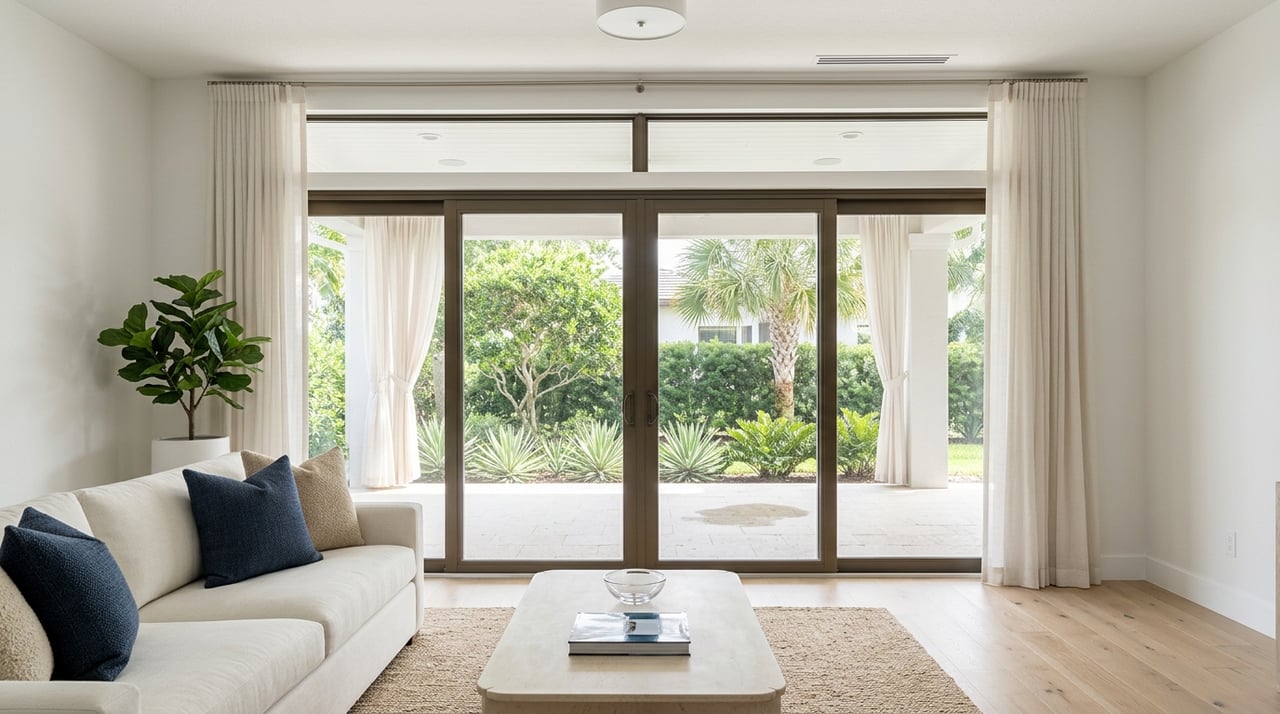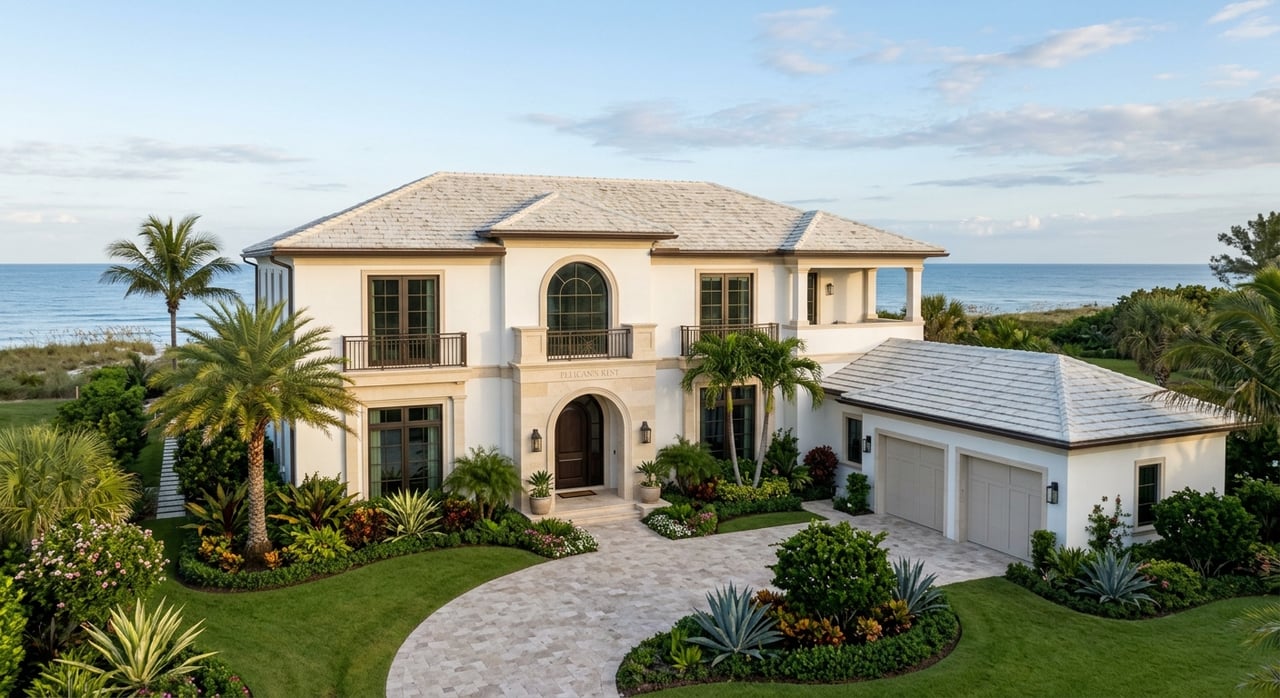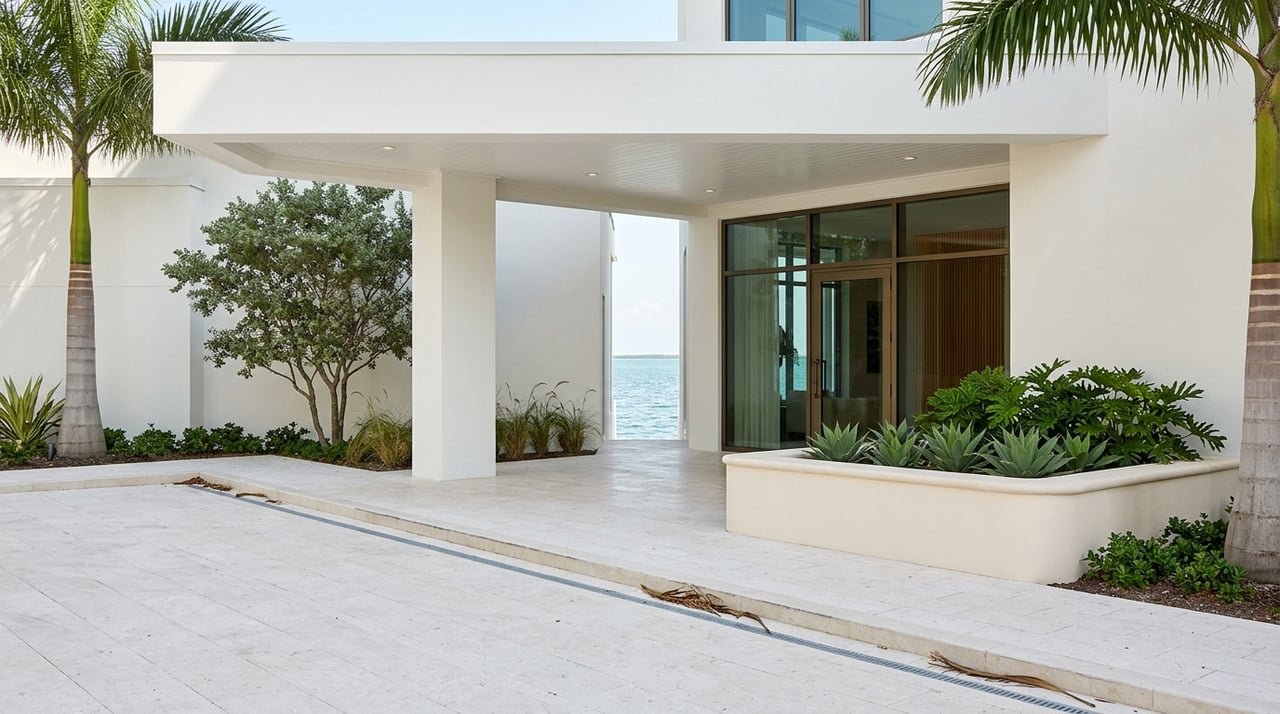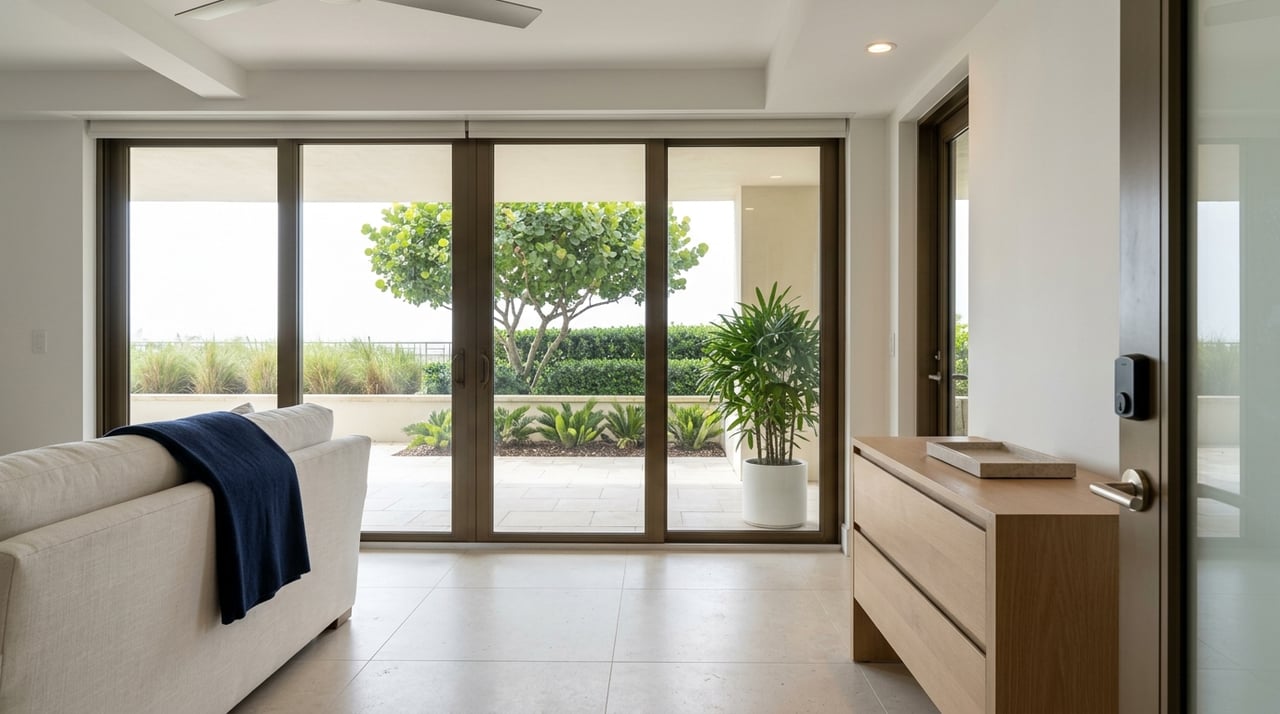
Thinking about a seasonal home in Ocean Ridge? If you want a quiet coastal place to enjoy part of the year, this small barrier-island town may offer the balance you have been looking for. You can expect a more residential feel than nearby high-activity beach cities, along with a mix of single-family homes and condos that can suit different lifestyles. Let’s dive in.
Why Ocean Ridge Appeals to Seasonal Buyers
Ocean Ridge sits between the Atlantic Ocean and the Intracoastal Waterway in south Palm Beach County. The town is primarily residential, with very little commercial development and no commercial or industrial future land-use categories in its comprehensive plan. That helps explain why it feels calm, low-density, and distinctly separate from busier nearby areas.
The town also has a meaningful seasonal population. Public town materials describe about 1,840 year-round residents and roughly 1,000 seasonal inhabitants. For you as a buyer, that supports the idea that Ocean Ridge is not just a full-time residential market. It is also a place where seasonal ownership is already part of the local pattern.
What You Can Buy in Ocean Ridge
Ocean Ridge is dominated by single-family homes, but you will also find beachfront and Intracoastal condos, plus a small number of multi-family properties. In simple terms, many buyers end up choosing between the privacy of a house and the easier day-to-day upkeep of a condo. That decision shapes not only your lifestyle, but also how much hands-on management your second home may require.
Because the town is largely built out, new large-scale change is limited. That can appeal to buyers who want a more established coastal setting. It also means inventory can feel selective, so your property type and ownership goals should be clear from the start.
Single-Family Homes
A single-family home may be the better fit if you value privacy, outdoor space, and more control over the property. This can be especially appealing if you want a garden, a pool, room for guests, or a more independent ownership experience.
That said, a house usually asks more of you when you are away. Landscaping, storm preparation, routine maintenance, and post-storm checkups all need a plan. If you live out of state for part of the year, that support system matters.
Condos and Association Properties
A condo can offer a more streamlined seasonal lifestyle. For many buyers, that means less exterior maintenance and an easier lock-and-leave setup when you return north or travel elsewhere.
Still, low-maintenance does not mean no-maintenance. In Florida coastal condo ownership, the association’s financial health, repair planning, rules, and approval procedures are all important. You need to understand not just the unit, but the structure around it.
What Lock-and-Leave Really Means
Many seasonal buyers use the phrase “lock and leave,” but it is worth looking at what that means in real life. In Ocean Ridge, a condo may make part-time ownership easier, but it does not remove the need for planning. You still need to know how the building is run, what is covered, and what happens if weather or maintenance issues arise while you are away.
For a house, lock-and-leave usually requires even more preparation. You may need trusted help for storm shutters, outdoor furniture, mail, utilities, and periodic property checks. A second home runs more smoothly when you have a written plan instead of relying on last-minute calls.
Questions to Ask Before You Assume Easy Ownership
- Are there restrictions on rentals or minimum lease terms?
- What are the pet, parking, and guest rules?
- Is association approval required before closing or leasing?
- Are reserves adequately funded?
- Have there been recent or expected special assessments?
- Who can check the property if there is a storm or utility issue?
Condo and HOA Documents to Review
If you are buying in an HOA or condominium, the documents deserve close attention. In Florida, an HOA buyer must receive a disclosure summary before signing the sales contract. That summary explains that you will become a member of the association, owe assessments, and may face special assessments or even a lien for nonpayment.
For condominium resales, the paperwork is broader. Key materials can include the declaration, bylaws, rules, budget, FAQ materials, and, where applicable, milestone inspection and structural integrity reserve study documents. These records help you understand both your ownership obligations and the building’s current condition.
Focus on These Review Points
- Monthly or quarterly assessments
- Recent assessment increases
- Pending or planned special assessments
- Rules on leasing, pets, parking, and use
- Repair obligations between owner and association
- Building inspection history, if applicable
- Reserve funding and major project planning
Why Building Condition Matters More Than Ever
For some Florida condominium buildings, milestone inspections are required when the building reaches a certain age and height threshold, with repeat inspections after that. DBPR says these rules apply to residential condominium and cooperative buildings with three or more habitable stories when they reach 30 years of age, and every 10 years after, or 25 years in some localities.
That matters because a seasonal buyer may focus first on views, ease, and convenience. Those are important, but you also need to know whether the association is planning major repairs, funding reserves appropriately, and communicating clearly with owners. If a structural integrity reserve study applies, that document can give you valuable insight into future costs.
Planning for Storm Season and Coastal Risk
Owning a seasonal home on a barrier island means storm planning is part of ownership, not an extra detail. NOAA says the Atlantic hurricane season runs from June 1 through November 30. If you will be out of state for any part of that period, preparation should be built into your annual routine.
Insurance is another major factor. FEMA states that flood damage is generally not covered by a standard homeowners policy, so separate flood insurance is often an important part of coastal ownership. Before you buy, make sure you understand both your likely coverage needs and the practical steps required to protect the property.
A Smart Seasonal Owner Checklist
- Confirm your homeowners and flood insurance needs
- Create a hurricane preparation plan before storm season
- Arrange for shutters, furniture storage, and exterior prep
- Keep a local contact list for vendors and emergency help
- Decide who can inspect the property after a storm
- Register for relevant local emergency alerts where available
Managing an Ocean Ridge Home From Out of State
Remote ownership works best when you plan for the ordinary, not just the dramatic. That includes mail forwarding, routine maintenance, service visits, and clear instructions for anyone helping manage the property while you are away.
USPS offers temporary Change of Address forwarding for seasonal moves, generally for up to 364 days. That can help simplify part-time living. Just as important, you should have reliable local support for maintenance coordination, storm prep, and occasional issues like a leak, power outage, or appliance failure.
Tax and Residency Expectations for a Seasonal Home
Some buyers ask whether a seasonal property in Ocean Ridge can be treated as a Florida homestead. Florida law ties homestead tax relief to a property being your permanent residence. In general, if the home is a true second home used seasonally, it usually should not be treated as homestead property.
This is one more reason to define your ownership plan clearly before closing. Your intended use affects more than lifestyle. It can also shape budgeting and long-term expectations.
How Ocean Ridge Compares Nearby
Ocean Ridge often appeals to buyers who want a middle-ground coastal experience. It is quieter and less commercial than nearby city environments, while still offering more housing variety than some very small residential enclaves.
That position can be useful if you are still deciding among several coastal towns. The right fit often comes down to how quiet you want your day-to-day experience to be, how much you value nearby dining and activity, and whether you prefer a condo or single-family setting.
Ocean Ridge vs. Gulf Stream
Gulf Stream is another low-key comparison point. Its official town profile emphasizes a small residential footprint, strong owner occupancy, and no commercial or industrial zoning.
If you want an even smaller and more limited development pattern, Gulf Stream may be worth comparing. If you want a similarly calm feel with somewhat more housing diversity, Ocean Ridge may offer broader options.
Ocean Ridge vs. Highland Beach
Highland Beach is also a barrier-island alternative. Its official materials place strong emphasis on planning, permits, flood protection, and hurricane readiness.
That makes it a useful comparison if storm planning is top of mind for you. Both communities support a quieter coastal lifestyle, but Highland Beach’s public guidance highlights just how central preparedness is to barrier-island ownership.
Ocean Ridge vs. Delray Beach
Delray Beach offers a more active contrast. The city highlights arts and culture, downtown attractions, and local transportation options in its downtown area.
If you want a busier daily lifestyle with more restaurants, events, and walkable activity, Delray may feel more dynamic. If you prefer a quieter retreat and do not mind driving to nearby services, Ocean Ridge may feel more aligned.
Ocean Ridge vs. Boca Raton
Boca Raton is the larger-city comparison. Its official profile highlights beaches, downtown amenities, and an extensive park system.
For some buyers, that broader range of services is a major advantage. For others, Ocean Ridge’s lower-density residential feel is exactly the point.
Who Is a Good Fit for Ocean Ridge
Ocean Ridge can work well if you want a seasonal home that feels peaceful, established, and residential. It may be especially appealing if you like the coast but do not want your immediate surroundings to feel heavily commercial or fast-moving.
It can also be a strong fit if you are realistic about second-home ownership. The best buyers here tend to appreciate the setting while also planning carefully for association review, insurance, storm season, and out-of-state management.
A seasonal purchase in Ocean Ridge is not only about finding a beautiful property. It is about choosing the ownership style that fits your life, your time in Florida, and the level of support you want when you are away. If you are weighing condos against houses or comparing Ocean Ridge with nearby coastal communities, Laura Gallagher and Terri Berman can help you narrow the options with calm, local guidance.
FAQs
Is Ocean Ridge better for a seasonal condo or a house?
- It depends on how you plan to use the home. A house can offer more privacy and independence, while a condo may provide a more manageable part-time ownership setup.
What does lock-and-leave living mean in Ocean Ridge?
- It usually means having a clear plan for maintenance, storm preparation, property checks, and association rules while you are away. It is often easier in a condo, but it is never fully automatic.
Which Florida condo documents should Ocean Ridge buyers review?
- You should review the declaration, bylaws, rules, budget, FAQ materials, and, if applicable, milestone inspection and structural integrity reserve study documents.
What HOA disclosure should Ocean Ridge buyers expect?
- Florida law requires a prospective HOA buyer to receive a disclosure summary before signing the sales contract. It explains membership obligations, assessments, possible special assessments, and lien risk for nonpayment.
What storm and insurance issues matter for an Ocean Ridge second home?
- Hurricane planning and flood risk are major considerations. Hurricane season runs from June 1 through November 30, and flood damage is generally not covered by a standard homeowners policy.
How does Ocean Ridge compare with Delray Beach for seasonal living?
- Ocean Ridge offers a quieter, more residential barrier-island setting. Delray Beach offers a more active environment with downtown attractions, arts and culture, and more day-to-day activity nearby.